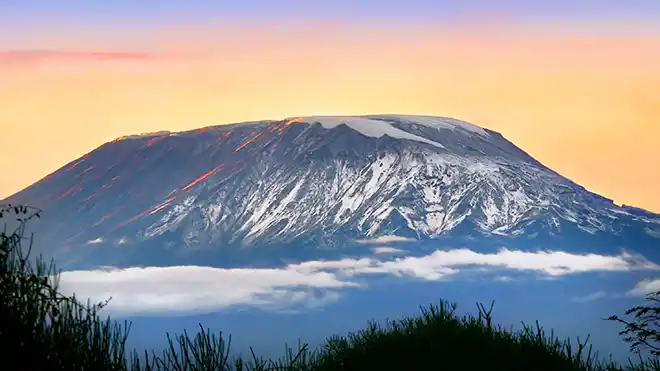
Climbing Mount Kilimanjaro is on many adventurers’ bucket lists. The allure of standing atop Africa’s highest peak is undeniable, yet the journey to reach that summit is fraught with challenges. While the prospect of embarking on this journey alone may seem thrilling, opting for a guided trek often proves to be the wiser choice. Here’s a closer look at why guided treks are not just safe; they’re transformative experiences that enhance every aspect of your climb.
The Value of Local Expertise
One of the standout advantages of joining a guided tour is the expertise that comes with it. Local guides have not only climbed Kilimanjaro numerous times but have also spent years learning about its terrain, weather patterns, and varying routes. They provide essential insights that can enhance your understanding of the mountain and its environment.
Imagine standing at the base of Kilimanjaro with a knowledgeable guide who can share stories about local flora and fauna, explain the cultural significance of the mountain, or inform you about the challenges ahead. This immersive experience is invaluable, turning your trek into a rich educational journey rather than merely a physical challenge.
Additionally, well-structured itineraries ensure that trekkers acclimatise properly, reducing the risk of altitude sickness. Guided treks often incorporate slower ascents with ample rest days, giving climbers the best chance of reaching the summit safely.
Safety First
Safety cannot be overstated when it comes to climbing Kilimanjaro. The mountain’s altitude poses significant risks, and the dangers of unpredictable weather can significantly impact your journey. On a guided trek, you’re not just another tourist; you’re part of a team. Guides are trained to handle emergencies, from altitude sickness to unexpected injuries.
They come equipped with first-aid kits and can administer immediate care if necessary. Besides, many tour operators ensure that their guides are certified in wilderness first aid, further bolstering the safety net around climbers. Such preparedness offers peace of mind, allowing trekkers to focus solely on their ascent.
For those considering their options, expert-led Mount Kilimanjaro adventures provide not just skilled guides but also a comprehensive safety framework. By partnering with an established trekking company, climbers can rest assured that the journey will adhere to the highest standards of safety and care.
Group Dynamics
Climbing Kilimanjaro can be a solitary adventure if attempted alone, but there’s something deeply enriching about sharing the experience with others. Guided treks foster camaraderie among climbers, promoting connections that might not occur in solo endeavours. The emotional support and solidarity found in a group can bolster resilience, particularly during challenging sections of the climb.
Moreover, groups vary widely, from friends and family wanting to create memories together to solo climbers meeting new companions. The joy of reaching the summit is magnified when shared with others. This collective experience allows for the exchange of stories, advice, and encouragement, adding layers to the journey that solo climbs simply cannot match.
Logistical Ease
Organising a trek up Kilimanjaro involves a myriad of logistical considerations, from permits and park fees to accommodation and meals. Guided tours alleviate this burden, taking care of all arrangements. When you choose a guided trek, everything from your tents to your food is pre-arranged. This enables you to concentrate solely on the climb, rather than the logistical headaches that could detract from your experience.
Guided operators generally offer comprehensive packages that may include meals prepared by skilled chefs, comfortable camping equipment, and even porters to carry your gear. This level of organisation not only simplifies the experience but also enhances comfort, making the weeks of training and anticipation worthwhile.
Cultural Exchange
Another compelling reason to choose guided treks is the cultural exchange that occurs along the way. Kilimanjaro is situated near local villages, and many guided tours incorporate opportunities to interact with the community. This might involve visits to local markets or opportunities to learn about the traditions and lifestyles of the Chagga people. Such exchanges not only enrich your climbing experience but also foster a deeper connection to the region and its people.
This cultural immersion can dramatically change perspectives, showing trekkers that there is more to Kilimanjaro than just its summit. Taking time to interact with locals can transform your understanding of the importance of conservation and respect for nature.
Environmental Responsibility
Choosing a guided trek often means supporting operators that prioritise responsible tourism. Many established trekking companies in Kilimanjaro are actively involved in conservation efforts, ensuring that the natural beauty of the mountain is preserved for future generations. They adhere to environmentally friendly practices, such as low-impact camping and promoting eco-friendly waste disposal methods.
By opting for a guided experience, you are more likely to contribute positively to the local environment and community. This conscious choice is becoming increasingly important as awareness around sustainable tourism grows.
Conclusion
Climbing Mount Kilimanjaro is undoubtedly a formidable challenge, one that ideally requires careful planning and support. While the notion of conquering the mountain solo may seem appealing, the benefits of choosing a guided trek far outweigh the thrill of independence. From local expertise and enhanced safety to cultural exchange and logistical convenience, guided treks foster an enriching experience that transforms a simple climb into a holistic adventure.
Next time you contemplate this iconic ascent, consider whether you want a singular achievement or a rich tapestry of experiences. Guided treks not only lead you to the summit but also provide lasting memories that extend beyond the mountain itself, forever etched in your mind and heart.